Buy olivie.eu ?
We are moving the project
olivie.eu .
Are you interested in purchasing the domain
olivie.eu ?
domain@kv-gmbh.de · 0541-91531010
Buy olivie.eu ?
How do I fry plaice fillet in olive oil?
To fry plaice fillet in olive oil, start by heating a skillet over medium-high heat and adding a few tablespoons of olive oil. Season the plaice fillet with salt and pepper, and then place it in the hot skillet. Cook the fillet for 3-4 minutes on each side, or until it is golden brown and cooked through. You can also add some minced garlic and fresh herbs to the skillet for extra flavor. Once the fillet is cooked, remove it from the skillet and serve it with your favorite side dishes. Enjoy your delicious and healthy fried plaice fillet! **
What is that by the plaice?
The phrase "What is that by the plaice?" could be interpreted in a couple of ways. If "plaice" is referring to the fish, then the question could be asking about something located near the fish. On the other hand, if "plaice" is referring to a flatfish, then the question could be asking about the identity of the fish itself. The meaning would depend on the context in which the question is being asked. **
Similar search terms for Plaice
Top-Angebote
Products related to Plaice:
-
IsolaBio Organic Cooking Cream 200 ml OatyNutrition and Supplements Sauces and Condiments IsolaBio Organic Cooking Cream 200 ml Oaty Made from the organic oats we passionately cultivate in our Italian land, we present our tasty and nutritious oat cooking cream, the ideal addition to your dishes that will make a creamy difference. Discover all the creative options it can offer, adding that subtle yet distinctive touch that will win you over. It can be enjoyed in more classic recipes, savory dishes, and last but not least, in summer salads. Add it in small doses to give your dishes an unbeatable flavor. Organic, Vegan.1,48 £*Shipping: 3,99 £Secure redirect to the provider


-
What is the difference between plaice and flounder?
Plaice and flounder are both flatfish, but they belong to different families. Plaice is a type of flounder that belongs to the Pleuronectidae family, while flounder is a more general term that refers to several species of flatfish in the families Pleuronectidae, Bothidae, and Paralichthyidae. In terms of appearance, plaice typically has orange spots on its brownish skin, while flounder can have a variety of colors and patterns. Additionally, plaice tends to have a more delicate and sweet flavor compared to flounder. **
-
How do you fry plaice fillet until crispy?
To fry plaice fillet until crispy, start by patting the fillets dry with a paper towel to remove any excess moisture. Then, season the fillets with salt and pepper, and dredge them in flour, shaking off any excess. Heat a skillet over medium-high heat and add a thin layer of oil. Once the oil is hot, carefully place the fillets in the skillet and cook for 3-4 minutes on each side, or until they are golden brown and crispy. Remove the fillets from the skillet and place them on a paper towel to drain any excess oil before serving. **
-
What do brown spots on plaice fillet look like?
Brown spots on plaice fillet may appear as small, irregularly shaped discolorations on the surface of the fish. They can range in color from light brown to dark brown and may be slightly raised or have a different texture than the surrounding flesh. These spots can be a sign of spoilage or bacterial growth, so it's important to inspect the fillet closely before consuming. **
-
Should the tough white skin be removed from plaice fillets?
It is not necessary to remove the tough white skin from plaice fillets before cooking. The skin is edible and can add flavor and texture to the dish. However, some people may prefer to remove the skin for personal preference or if they find it too tough. Ultimately, it is up to individual preference whether to keep or remove the skin from plaice fillets. **


What is the difference between a flounder and a plaice?
Flounders and plaice are both flatfish, but there are some key differences between the two species. Flounders typically have a more oval-shaped body with both eyes on the same side, while plaice have a more diamond-shaped body with eyes on the right side. Additionally, flounders tend to have a smoother skin texture compared to the rougher skin of plaice. In terms of coloration, flounders are usually brown or olive with various patterns, while plaice are typically reddish-brown with distinct orange spots. **
What is the difference now between the flounder, the plaice, and the turbot?
The main difference between the flounder, plaice, and turbot lies in their appearance and habitat. Flounders are typically smaller in size with a flat body and both eyes on one side of their head. Plaice have a more oval-shaped body and are usually larger than flounders. Turbots are the largest of the three, with a diamond-shaped body and a white underside. Additionally, they are found in different habitats, with flounders and plaice preferring sandy or muddy bottoms while turbot are often found in deeper waters. **
Top-Angebote
Products related to Plaice:
-
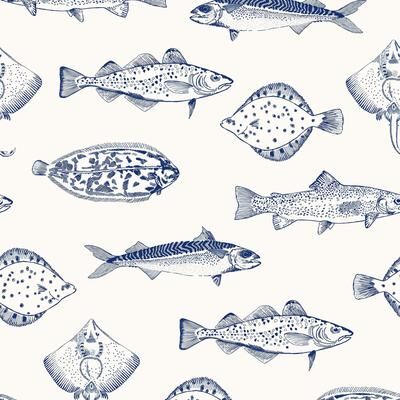
Joules Name The Plaice Coast Blue WallpaperWhether you're beside the seaside or completely land-locked, bring the coast to your home with this delicately drawn design. This fun and bold artwork showcases an array of fish in a beautiful blue color palette.66,00 $*Shipping: 0,00 $Secure redirect to the provider
-
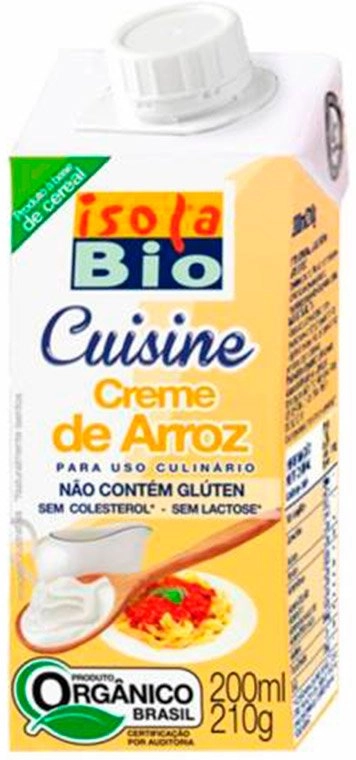
IsolaBio Organic Rice Cooking Cream 200 mlNutrition and Supplements Sauces and Condiments IsolaBio Organic Rice Cooking Cream 200 ml Made from the quintessential grain using our flavor-focused production method, this plant-based, gluten-free culinary complement adds a delicious touch to both first courses and desserts. Its creamy perfection and smooth texture make it a must-have in your kitchen. It's excellent for creating savory dishes, sweet decorations, and creative sauces: you decide which recipe you want to elevate with the lightness and organic flavor that are our hallmark. Size: 200 ml.1,51 £*Shipping: 3,99 £Secure redirect to the provider
-
IsolaBio Organic Cooking Cream 200 ml OatyNutrition and Supplements Sauces and Condiments IsolaBio Organic Cooking Cream 200 ml Oaty Made from the organic oats we passionately cultivate in our Italian land, we present our tasty and nutritious oat cooking cream, the ideal addition to your dishes that will make a creamy difference. Discover all the creative options it can offer, adding that subtle yet distinctive touch that will win you over. It can be enjoyed in more classic recipes, savory dishes, and last but not least, in summer salads. Add it in small doses to give your dishes an unbeatable flavor. Organic, Vegan.1,48 £*Shipping: 3,99 £Secure redirect to the provider
-
How do I fry plaice fillet in olive oil?
To fry plaice fillet in olive oil, start by heating a skillet over medium-high heat and adding a few tablespoons of olive oil. Season the plaice fillet with salt and pepper, and then place it in the hot skillet. Cook the fillet for 3-4 minutes on each side, or until it is golden brown and cooked through. You can also add some minced garlic and fresh herbs to the skillet for extra flavor. Once the fillet is cooked, remove it from the skillet and serve it with your favorite side dishes. Enjoy your delicious and healthy fried plaice fillet! **
-
What is that by the plaice?
The phrase "What is that by the plaice?" could be interpreted in a couple of ways. If "plaice" is referring to the fish, then the question could be asking about something located near the fish. On the other hand, if "plaice" is referring to a flatfish, then the question could be asking about the identity of the fish itself. The meaning would depend on the context in which the question is being asked. **
-
What is the difference between plaice and flounder?
Plaice and flounder are both flatfish, but they belong to different families. Plaice is a type of flounder that belongs to the Pleuronectidae family, while flounder is a more general term that refers to several species of flatfish in the families Pleuronectidae, Bothidae, and Paralichthyidae. In terms of appearance, plaice typically has orange spots on its brownish skin, while flounder can have a variety of colors and patterns. Additionally, plaice tends to have a more delicate and sweet flavor compared to flounder. **
-
How do you fry plaice fillet until crispy?
To fry plaice fillet until crispy, start by patting the fillets dry with a paper towel to remove any excess moisture. Then, season the fillets with salt and pepper, and dredge them in flour, shaking off any excess. Heat a skillet over medium-high heat and add a thin layer of oil. Once the oil is hot, carefully place the fillets in the skillet and cook for 3-4 minutes on each side, or until they are golden brown and crispy. Remove the fillets from the skillet and place them on a paper towel to drain any excess oil before serving. **
Similar search terms for Plaice
-
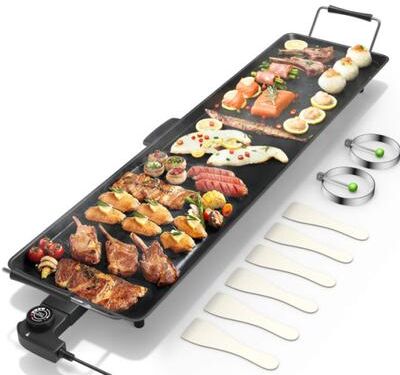
Royal Gourmet 1500W Portable Electric Grill for Outdoor Cooking, Adjustable Temperature Control, Gray & BlackWith its smart temperature control system and modern aesthetics, the Royal Gourmet® DL1002 Portable Electric Grill takes your outdoor cooking to the next level.149,99 $*Shipping: 0,00 $Secure redirect to the provider
-
Royal Gourmet Outdoor Kitchen Gas Grill with Versatile Side Burner and Refrigerator, Backyard CookingProduct Features: 1. Powerful 96,000 BTU Cooking System: Six main burners deliver 12,000 BTU each, while a 12,000 BTU infrared rear burner and ...2099,99 $*Shipping: 0,00 $Secure redirect to the provider
-
What do brown spots on plaice fillet look like?
Brown spots on plaice fillet may appear as small, irregularly shaped discolorations on the surface of the fish. They can range in color from light brown to dark brown and may be slightly raised or have a different texture than the surrounding flesh. These spots can be a sign of spoilage or bacterial growth, so it's important to inspect the fillet closely before consuming. **
-
Should the tough white skin be removed from plaice fillets?
It is not necessary to remove the tough white skin from plaice fillets before cooking. The skin is edible and can add flavor and texture to the dish. However, some people may prefer to remove the skin for personal preference or if they find it too tough. Ultimately, it is up to individual preference whether to keep or remove the skin from plaice fillets. **
-
What is the difference between a flounder and a plaice?
Flounders and plaice are both flatfish, but there are some key differences between the two species. Flounders typically have a more oval-shaped body with both eyes on the same side, while plaice have a more diamond-shaped body with eyes on the right side. Additionally, flounders tend to have a smoother skin texture compared to the rougher skin of plaice. In terms of coloration, flounders are usually brown or olive with various patterns, while plaice are typically reddish-brown with distinct orange spots. **
-
What is the difference now between the flounder, the plaice, and the turbot?
The main difference between the flounder, plaice, and turbot lies in their appearance and habitat. Flounders are typically smaller in size with a flat body and both eyes on one side of their head. Plaice have a more oval-shaped body and are usually larger than flounders. Turbots are the largest of the three, with a diamond-shaped body and a white underside. Additionally, they are found in different habitats, with flounders and plaice preferring sandy or muddy bottoms while turbot are often found in deeper waters. **
* All prices are inclusive of VAT and, if applicable, plus shipping costs. The offer information is based on the details provided by the respective shop and is updated through automated processes. Real-time updates do not occur, so deviations can occur in individual cases. ** Note: Parts of this content were created by AI.