Buy olivie.eu ?
We are moving the project
olivie.eu .
Are you interested in purchasing the domain
olivie.eu ?
domain@kv-gmbh.de · 0541-91531010
Buy olivie.eu ?
How is a biomembrane structured?
A biomembrane is structured as a phospholipid bilayer, with the hydrophilic (water-attracting) phosphate heads facing outward and the hydrophobic (water-repelling) fatty acid tails facing inward. This bilayer forms a barrier that separates the inside and outside of the cell, controlling the movement of molecules in and out of the cell. The membrane also contains proteins, cholesterol, and carbohydrates that are embedded within or attached to the phospholipid bilayer, contributing to its structure and function. This structure allows the biomembrane to be selectively permeable, regulating the passage of substances into and out of the cell. **
How is a biomembrane labeled?
A biomembrane can be labeled using various techniques such as fluorescent dyes, radioactive isotopes, or specific antibodies. Fluorescent dyes can be used to directly label the biomembrane, allowing for visualization under a fluorescence microscope. Radioactive isotopes can be incorporated into the membrane components and detected using autoradiography. Specific antibodies can also be used to target and label specific proteins or lipids within the biomembrane, allowing for precise localization and identification of membrane components. Each labeling technique has its advantages and limitations, and the choice of method depends on the specific research question and experimental requirements. **

Similar search terms for Biomembrane
Top-Angebote
Products related to Biomembrane:
-
Naturcid Organic Chopped Nora Gourmet BC 75 grNutrition and Supplements Sauces and Condiments Naturcid Organic Chopped Nora Gourmet BC 75 gr Very hot pepper that is used dry to season. The ñora is a cultivated variety of Capsicum annuum or pepper, called "ball" in Alicante and Murcia, where it became popular, small in size, round in shape and red when ripe, which is left to dry in the sun. How to use: Culinary use. Season to taste. No allergens Does not contain genetically modified organisms (No GMO) or irradiated. BPA free container. Store at room temperature, in a cool, dry place protected from light.3,73 £*Shipping: 3,99 £Secure redirect to the provider
-
Royal Gourmet 1500W Portable Electric Grill for Outdoor Cooking, Adjustable Temperature Control, Gray & BlackWith its smart temperature control system and modern aesthetics, the Royal Gourmet® DL1002 Portable Electric Grill takes your outdoor cooking to the next level.149,99 $*Shipping: 0,00 $Secure redirect to the provider




-
Can water pass through a biomembrane?
Yes, water can pass through a biomembrane. Biomembranes are selectively permeable, meaning they allow certain substances, including water, to pass through while restricting the movement of others. Water can pass through biomembranes via a process called osmosis, where it moves from an area of high concentration to an area of low concentration to maintain equilibrium. This movement of water through biomembranes is essential for various cellular processes and maintaining proper hydration levels in organisms. **
-
What is the structure of a biomembrane?
A biomembrane is composed of a phospholipid bilayer with embedded proteins. The phospholipid bilayer consists of two layers of phospholipid molecules, with hydrophilic heads facing outward and hydrophobic tails facing inward. The proteins within the membrane can be integral, spanning the entire bilayer, or peripheral, attached to one side of the membrane. This structure provides the biomembrane with selective permeability, allowing it to regulate the passage of molecules in and out of the cell. **
-
What is the function of a biomembrane?
The function of a biomembrane is to act as a barrier that separates the interior of a cell from its external environment, allowing the cell to maintain its internal environment and regulate the exchange of molecules with the outside. It also plays a crucial role in communication and signaling between cells, as well as in the transport of molecules in and out of the cell. Additionally, biomembranes provide structural support and organization to the cell, helping to maintain its shape and integrity. **
-
What are the hexagons on the biomembrane?
The hexagons on the biomembrane are typically representations of the phospholipid molecules that make up the membrane. Phospholipids have a hydrophilic (water-attracting) head and two hydrophobic (water-repelling) tails, which arrange themselves in a bilayer structure. This bilayer forms the basic structure of the biomembrane, with the hydrophilic heads facing the aqueous environment and the hydrophobic tails facing inward. The hexagonal shape is often used to depict this arrangement of phospholipids in the membrane. **


What is active transport in the biomembrane?
Active transport in the biomembrane is a process that requires energy to move molecules or ions across the membrane against their concentration gradient. This process is carried out by specific proteins called pumps or transporters that use energy, usually in the form of ATP, to actively transport molecules or ions from an area of low concentration to an area of high concentration. Active transport is essential for maintaining proper ion concentrations inside and outside the cell, as well as for transporting nutrients into the cell and removing waste products. **
What is the sandwich model of the biomembrane?
The sandwich model of the biomembrane describes the structure of cell membranes as a bilayer of phospholipid molecules. In this model, the hydrophilic (water-attracting) heads of the phospholipids are oriented towards the outside of the membrane, while the hydrophobic (water-repelling) tails are oriented towards the inside, creating a barrier that separates the internal and external environments of the cell. This model also includes various proteins and cholesterol molecules that are embedded within the lipid bilayer, contributing to the membrane's structure and function. **
Top-Angebote
Products related to Biomembrane:
-
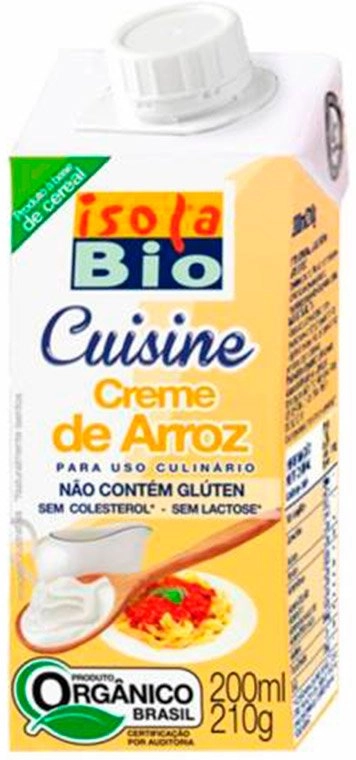
IsolaBio Organic Rice Cooking Cream 200 mlNutrition and Supplements Sauces and Condiments IsolaBio Organic Rice Cooking Cream 200 ml Made from the quintessential grain using our flavor-focused production method, this plant-based, gluten-free culinary complement adds a delicious touch to both first courses and desserts. Its creamy perfection and smooth texture make it a must-have in your kitchen. It's excellent for creating savory dishes, sweet decorations, and creative sauces: you decide which recipe you want to elevate with the lightness and organic flavor that are our hallmark. Size: 200 ml.1,50 £*Shipping: 3,99 £Secure redirect to the provider
-
IsolaBio Organic Cooking Cream 200 ml OatyNutrition and Supplements Sauces and Condiments IsolaBio Organic Cooking Cream 200 ml Oaty Made from the organic oats we passionately cultivate in our Italian land, we present our tasty and nutritious oat cooking cream, the ideal addition to your dishes that will make a creamy difference. Discover all the creative options it can offer, adding that subtle yet distinctive touch that will win you over. It can be enjoyed in more classic recipes, savory dishes, and last but not least, in summer salads. Add it in small doses to give your dishes an unbeatable flavor. Organic, Vegan.1,47 £*Shipping: 3,99 £Secure redirect to the provider
-
Naturcid Organic Chopped Nora Gourmet BC 75 grNutrition and Supplements Sauces and Condiments Naturcid Organic Chopped Nora Gourmet BC 75 gr Very hot pepper that is used dry to season. The ñora is a cultivated variety of Capsicum annuum or pepper, called "ball" in Alicante and Murcia, where it became popular, small in size, round in shape and red when ripe, which is left to dry in the sun. How to use: Culinary use. Season to taste. No allergens Does not contain genetically modified organisms (No GMO) or irradiated. BPA free container. Store at room temperature, in a cool, dry place protected from light.3,73 £*Shipping: 3,99 £Secure redirect to the provider
-
How is a biomembrane structured?
A biomembrane is structured as a phospholipid bilayer, with the hydrophilic (water-attracting) phosphate heads facing outward and the hydrophobic (water-repelling) fatty acid tails facing inward. This bilayer forms a barrier that separates the inside and outside of the cell, controlling the movement of molecules in and out of the cell. The membrane also contains proteins, cholesterol, and carbohydrates that are embedded within or attached to the phospholipid bilayer, contributing to its structure and function. This structure allows the biomembrane to be selectively permeable, regulating the passage of substances into and out of the cell. **
-
How is a biomembrane labeled?
A biomembrane can be labeled using various techniques such as fluorescent dyes, radioactive isotopes, or specific antibodies. Fluorescent dyes can be used to directly label the biomembrane, allowing for visualization under a fluorescence microscope. Radioactive isotopes can be incorporated into the membrane components and detected using autoradiography. Specific antibodies can also be used to target and label specific proteins or lipids within the biomembrane, allowing for precise localization and identification of membrane components. Each labeling technique has its advantages and limitations, and the choice of method depends on the specific research question and experimental requirements. **
-
Can water pass through a biomembrane?
Yes, water can pass through a biomembrane. Biomembranes are selectively permeable, meaning they allow certain substances, including water, to pass through while restricting the movement of others. Water can pass through biomembranes via a process called osmosis, where it moves from an area of high concentration to an area of low concentration to maintain equilibrium. This movement of water through biomembranes is essential for various cellular processes and maintaining proper hydration levels in organisms. **
-
What is the structure of a biomembrane?
A biomembrane is composed of a phospholipid bilayer with embedded proteins. The phospholipid bilayer consists of two layers of phospholipid molecules, with hydrophilic heads facing outward and hydrophobic tails facing inward. The proteins within the membrane can be integral, spanning the entire bilayer, or peripheral, attached to one side of the membrane. This structure provides the biomembrane with selective permeability, allowing it to regulate the passage of molecules in and out of the cell. **
Similar search terms for Biomembrane
-
Royal Gourmet 1500W Portable Electric Grill for Outdoor Cooking, Adjustable Temperature Control, Gray & BlackWith its smart temperature control system and modern aesthetics, the Royal Gourmet® DL1002 Portable Electric Grill takes your outdoor cooking to the next level.149,99 $*Shipping: 0,00 $Secure redirect to the provider
-
Royal Gourmet Outdoor Kitchen Gas Grill with Versatile Side Burner and Refrigerator, Backyard CookingProduct Features: 1. Powerful 96,000 BTU Cooking System: Six main burners deliver 12,000 BTU each, while a 12,000 BTU infrared rear burner and ...2099,99 $*Shipping: 0,00 $Secure redirect to the provider
-
Various Publishers Vegetarian Indian Cooking, Street Food & Tasty & Healthy 3 Book Cookery Set - Hardback - Indian & Healthy Recipes for Home CooksThis vibrant 3-book cookery collection brings together authentic Indian home cooking, street-food classics, and healthier takeaway favourites. Anchored by the award-winning Prashad family recipes, alongside two titles celebrating bold street flavours and calorie-conscious comfort food, it's a versatile addition to any kitchen shelf. Ideal for home cooks and Indian food fans, it pairs well-tested recipes with warm storytelling for reliable results night after night. The collection centres on Kaushy Patel, whose Bradford restaurant Prashad rose to fame as runner-up on Gordon Ramsay's Best Restaurant. Kaushy learned to cook as a child on her grandmother's farm in northern India, and the recipes in this book reflect her heritage and culinary expertise. The books are in hardback format and are brand new, making them a great addition to any cookbook collection.21,99 £*Shipping: 2,99 £Secure redirect to the provider
-
What is the function of a biomembrane?
The function of a biomembrane is to act as a barrier that separates the interior of a cell from its external environment, allowing the cell to maintain its internal environment and regulate the exchange of molecules with the outside. It also plays a crucial role in communication and signaling between cells, as well as in the transport of molecules in and out of the cell. Additionally, biomembranes provide structural support and organization to the cell, helping to maintain its shape and integrity. **
-
What are the hexagons on the biomembrane?
The hexagons on the biomembrane are typically representations of the phospholipid molecules that make up the membrane. Phospholipids have a hydrophilic (water-attracting) head and two hydrophobic (water-repelling) tails, which arrange themselves in a bilayer structure. This bilayer forms the basic structure of the biomembrane, with the hydrophilic heads facing the aqueous environment and the hydrophobic tails facing inward. The hexagonal shape is often used to depict this arrangement of phospholipids in the membrane. **
-
What is active transport in the biomembrane?
Active transport in the biomembrane is a process that requires energy to move molecules or ions across the membrane against their concentration gradient. This process is carried out by specific proteins called pumps or transporters that use energy, usually in the form of ATP, to actively transport molecules or ions from an area of low concentration to an area of high concentration. Active transport is essential for maintaining proper ion concentrations inside and outside the cell, as well as for transporting nutrients into the cell and removing waste products. **
-
What is the sandwich model of the biomembrane?
The sandwich model of the biomembrane describes the structure of cell membranes as a bilayer of phospholipid molecules. In this model, the hydrophilic (water-attracting) heads of the phospholipids are oriented towards the outside of the membrane, while the hydrophobic (water-repelling) tails are oriented towards the inside, creating a barrier that separates the internal and external environments of the cell. This model also includes various proteins and cholesterol molecules that are embedded within the lipid bilayer, contributing to the membrane's structure and function. **
* All prices are inclusive of VAT and, if applicable, plus shipping costs. The offer information is based on the details provided by the respective shop and is updated through automated processes. Real-time updates do not occur, so deviations can occur in individual cases. ** Note: Parts of this content were created by AI.