Buy olivie.eu ?
We are moving the project
olivie.eu .
Are you interested in purchasing the domain
olivie.eu ?
domain@kv-gmbh.de · 0541-91531010
Buy olivie.eu ?
What is a receptor molecule?
A receptor molecule is a protein located on the surface of a cell that binds to specific signaling molecules, such as hormones or neurotransmitters. When the signaling molecule binds to the receptor, it triggers a cellular response, such as a change in gene expression or activation of a signaling pathway. Receptor molecules are crucial for communication between cells and for coordinating various physiological processes within the body. **
Can you explain the receptor potential?
The receptor potential is a change in membrane potential that occurs in sensory receptor cells in response to a stimulus. When a stimulus such as light, sound, or touch activates a sensory receptor, it causes ion channels in the cell membrane to open or close, leading to a change in membrane potential. This change in membrane potential triggers the generation of action potentials, which are then transmitted to the central nervous system for processing and interpretation. The receptor potential serves as the initial step in converting a sensory stimulus into an electrical signal that can be transmitted to the brain for perception. **

Similar search terms for Receptor
Top-Angebote
Products related to Receptor:
-
IsolaBio Organic Cooking Cream 200 ml OatyNutrition and Supplements Sauces and Condiments IsolaBio Organic Cooking Cream 200 ml Oaty Made from the organic oats we passionately cultivate in our Italian land, we present our tasty and nutritious oat cooking cream, the ideal addition to your dishes that will make a creamy difference. Discover all the creative options it can offer, adding that subtle yet distinctive touch that will win you over. It can be enjoyed in more classic recipes, savory dishes, and last but not least, in summer salads. Add it in small doses to give your dishes an unbeatable flavor. Organic, Vegan.1,48 £*Shipping: 3,99 £Secure redirect to the provider
-
Naturcid Organic Chopped Nora Gourmet BC 75 grNutrition and Supplements Sauces and Condiments Naturcid Organic Chopped Nora Gourmet BC 75 gr Very hot pepper that is used dry to season. The ñora is a cultivated variety of Capsicum annuum or pepper, called "ball" in Alicante and Murcia, where it became popular, small in size, round in shape and red when ripe, which is left to dry in the sun. How to use: Culinary use. Season to taste. No allergens Does not contain genetically modified organisms (No GMO) or irradiated. BPA free container. Store at room temperature, in a cool, dry place protected from light.3,73 £*Shipping: 3,99 £Secure redirect to the provider




-
Are regulator and activator proteins also hormone receptor complexes?
Regulator and activator proteins are not the same as hormone receptor complexes, although they may interact with hormone receptor complexes to modulate their activity. Hormone receptor complexes are specific proteins that bind to hormones and initiate a cellular response, while regulator and activator proteins are involved in regulating the activity of these hormone receptor complexes. Regulator and activator proteins can enhance or inhibit the activity of hormone receptor complexes, but they are not themselves hormone receptor complexes. **
-
Why does the receptor potential decrease towards the axon hillock?
The receptor potential decreases towards the axon hillock because the axon hillock acts as a site of integration for incoming signals from various receptors. As the receptor potential travels towards the axon hillock, it undergoes summation with other incoming signals. This integration process helps determine whether an action potential will be generated and propagated down the axon. The decrease in receptor potential towards the axon hillock is crucial for the neuron to make decisions about whether to transmit the signal further. **
-
How is a receptor potential generated based on the ion theory?
A receptor potential is generated based on the ion theory through the activation of ion channels in response to a stimulus. When a stimulus is detected by a sensory receptor, it causes ion channels in the receptor membrane to open or close, allowing specific ions to flow into or out of the cell. This movement of ions creates a change in the membrane potential, known as the receptor potential. The magnitude of the receptor potential is directly related to the strength of the stimulus, with stronger stimuli leading to larger changes in membrane potential. **
-
What happens when the receptor potential reaches the central nervous system?
When the receptor potential reaches the central nervous system, it triggers the generation of action potentials in sensory neurons. These action potentials travel along the sensory neurons to the brain, where they are processed and interpreted. The brain then generates a response or perception based on the information received from the receptor potential. This process allows us to sense and respond to various stimuli in our environment. **


What is the effect of barbiturates on the GABA-A receptor?
Barbiturates enhance the inhibitory effects of the neurotransmitter GABA on the GABA-A receptor. They bind to a specific site on the receptor and increase the duration of the chloride channel opening, leading to hyperpolarization of the neuron and inhibition of neuronal activity. This results in sedative, hypnotic, and anxiolytic effects, making barbiturates commonly used as central nervous system depressants. Prolonged use of barbiturates can lead to tolerance, dependence, and potentially dangerous withdrawal symptoms. **
What is the difference between a receptor and an action potential?
A receptor is a specialized protein molecule that can detect specific signals or stimuli from the environment and initiate a response. On the other hand, an action potential is a brief electrical signal that travels along the membrane of a neuron or muscle cell, allowing for communication between different parts of the body. In summary, receptors detect signals, while action potentials are the electrical signals that transmit information within the body. **
Top-Angebote
Products related to Receptor:
-
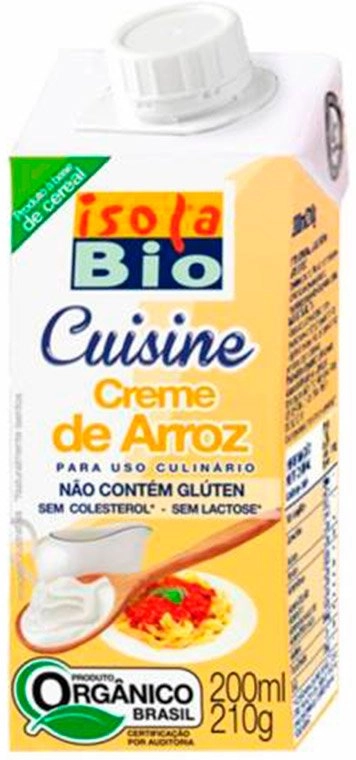
IsolaBio Organic Rice Cooking Cream 200 mlNutrition and Supplements Sauces and Condiments IsolaBio Organic Rice Cooking Cream 200 ml Made from the quintessential grain using our flavor-focused production method, this plant-based, gluten-free culinary complement adds a delicious touch to both first courses and desserts. Its creamy perfection and smooth texture make it a must-have in your kitchen. It's excellent for creating savory dishes, sweet decorations, and creative sauces: you decide which recipe you want to elevate with the lightness and organic flavor that are our hallmark. Size: 200 ml.1,50 £*Shipping: 3,99 £Secure redirect to the provider
-
IsolaBio Organic Cooking Cream 200 ml OatyNutrition and Supplements Sauces and Condiments IsolaBio Organic Cooking Cream 200 ml Oaty Made from the organic oats we passionately cultivate in our Italian land, we present our tasty and nutritious oat cooking cream, the ideal addition to your dishes that will make a creamy difference. Discover all the creative options it can offer, adding that subtle yet distinctive touch that will win you over. It can be enjoyed in more classic recipes, savory dishes, and last but not least, in summer salads. Add it in small doses to give your dishes an unbeatable flavor. Organic, Vegan.1,48 £*Shipping: 3,99 £Secure redirect to the provider
-
Naturcid Organic Chopped Nora Gourmet BC 75 grNutrition and Supplements Sauces and Condiments Naturcid Organic Chopped Nora Gourmet BC 75 gr Very hot pepper that is used dry to season. The ñora is a cultivated variety of Capsicum annuum or pepper, called "ball" in Alicante and Murcia, where it became popular, small in size, round in shape and red when ripe, which is left to dry in the sun. How to use: Culinary use. Season to taste. No allergens Does not contain genetically modified organisms (No GMO) or irradiated. BPA free container. Store at room temperature, in a cool, dry place protected from light.3,73 £*Shipping: 3,99 £Secure redirect to the provider
-
What is a receptor molecule?
A receptor molecule is a protein located on the surface of a cell that binds to specific signaling molecules, such as hormones or neurotransmitters. When the signaling molecule binds to the receptor, it triggers a cellular response, such as a change in gene expression or activation of a signaling pathway. Receptor molecules are crucial for communication between cells and for coordinating various physiological processes within the body. **
-
Can you explain the receptor potential?
The receptor potential is a change in membrane potential that occurs in sensory receptor cells in response to a stimulus. When a stimulus such as light, sound, or touch activates a sensory receptor, it causes ion channels in the cell membrane to open or close, leading to a change in membrane potential. This change in membrane potential triggers the generation of action potentials, which are then transmitted to the central nervous system for processing and interpretation. The receptor potential serves as the initial step in converting a sensory stimulus into an electrical signal that can be transmitted to the brain for perception. **
-
Are regulator and activator proteins also hormone receptor complexes?
Regulator and activator proteins are not the same as hormone receptor complexes, although they may interact with hormone receptor complexes to modulate their activity. Hormone receptor complexes are specific proteins that bind to hormones and initiate a cellular response, while regulator and activator proteins are involved in regulating the activity of these hormone receptor complexes. Regulator and activator proteins can enhance or inhibit the activity of hormone receptor complexes, but they are not themselves hormone receptor complexes. **
-
Why does the receptor potential decrease towards the axon hillock?
The receptor potential decreases towards the axon hillock because the axon hillock acts as a site of integration for incoming signals from various receptors. As the receptor potential travels towards the axon hillock, it undergoes summation with other incoming signals. This integration process helps determine whether an action potential will be generated and propagated down the axon. The decrease in receptor potential towards the axon hillock is crucial for the neuron to make decisions about whether to transmit the signal further. **
Similar search terms for Receptor
-
Royal Gourmet 1500W Portable Electric Grill for Outdoor Cooking, Adjustable Temperature Control, Gray & BlackWith its smart temperature control system and modern aesthetics, the Royal Gourmet® DL1002 Portable Electric Grill takes your outdoor cooking to the next level.149,99 $*Shipping: 0,00 $Secure redirect to the provider
-
Royal Gourmet Outdoor Kitchen Gas Grill with Versatile Side Burner and Refrigerator, Backyard CookingProduct Features: 1. Powerful 96,000 BTU Cooking System: Six main burners deliver 12,000 BTU each, while a 12,000 BTU infrared rear burner and ...2099,99 $*Shipping: 0,00 $Secure redirect to the provider
-
How is a receptor potential generated based on the ion theory?
A receptor potential is generated based on the ion theory through the activation of ion channels in response to a stimulus. When a stimulus is detected by a sensory receptor, it causes ion channels in the receptor membrane to open or close, allowing specific ions to flow into or out of the cell. This movement of ions creates a change in the membrane potential, known as the receptor potential. The magnitude of the receptor potential is directly related to the strength of the stimulus, with stronger stimuli leading to larger changes in membrane potential. **
-
What happens when the receptor potential reaches the central nervous system?
When the receptor potential reaches the central nervous system, it triggers the generation of action potentials in sensory neurons. These action potentials travel along the sensory neurons to the brain, where they are processed and interpreted. The brain then generates a response or perception based on the information received from the receptor potential. This process allows us to sense and respond to various stimuli in our environment. **
-
What is the effect of barbiturates on the GABA-A receptor?
Barbiturates enhance the inhibitory effects of the neurotransmitter GABA on the GABA-A receptor. They bind to a specific site on the receptor and increase the duration of the chloride channel opening, leading to hyperpolarization of the neuron and inhibition of neuronal activity. This results in sedative, hypnotic, and anxiolytic effects, making barbiturates commonly used as central nervous system depressants. Prolonged use of barbiturates can lead to tolerance, dependence, and potentially dangerous withdrawal symptoms. **
-
What is the difference between a receptor and an action potential?
A receptor is a specialized protein molecule that can detect specific signals or stimuli from the environment and initiate a response. On the other hand, an action potential is a brief electrical signal that travels along the membrane of a neuron or muscle cell, allowing for communication between different parts of the body. In summary, receptors detect signals, while action potentials are the electrical signals that transmit information within the body. **
* All prices are inclusive of VAT and, if applicable, plus shipping costs. The offer information is based on the details provided by the respective shop and is updated through automated processes. Real-time updates do not occur, so deviations can occur in individual cases. ** Note: Parts of this content were created by AI.