Buy olivie.eu ?
We are moving the project
olivie.eu .
Are you interested in purchasing the domain
olivie.eu ?
domain@kv-gmbh.de · 0541-91531010
Buy olivie.eu ?
Imperfect or passé composé when?
The choice between imperfect and passé composé depends on the context and the specific action being described. The imperfect is used to describe ongoing or repeated actions in the past, while the passé composé is used for completed actions. If the action is a one-time event that happened in the past, the passé composé is more appropriate. However, if the action was ongoing or repeated, the imperfect should be used. **
What is the French Passé Composé?
The French Passé Composé is a compound past tense used to talk about completed actions in the past. It is formed by using a helping verb (either "avoir" or "être" conjugated in the present tense) followed by the past participle of the main verb. The choice between "avoir" and "être" as the helping verb depends on the main verb and whether it is transitive or intransitive. The Passé Composé is one of the most commonly used past tenses in French. **


Similar search terms for Passé Composé
Top-Angebote
Products related to Passé Composé:
-
IsolaBio Organic Cooking Cream 200 ml OatyNutrition and Supplements Sauces and Condiments IsolaBio Organic Cooking Cream 200 ml Oaty Made from the organic oats we passionately cultivate in our Italian land, we present our tasty and nutritious oat cooking cream, the ideal addition to your dishes that will make a creamy difference. Discover all the creative options it can offer, adding that subtle yet distinctive touch that will win you over. It can be enjoyed in more classic recipes, savory dishes, and last but not least, in summer salads. Add it in small doses to give your dishes an unbeatable flavor. Organic, Vegan.1,48 £*Shipping: 3,99 £Secure redirect to the provider
-
Naturcid Organic Chopped Nora Gourmet BC 75 grNutrition and Supplements Sauces and Condiments Naturcid Organic Chopped Nora Gourmet BC 75 gr Very hot pepper that is used dry to season. The ñora is a cultivated variety of Capsicum annuum or pepper, called "ball" in Alicante and Murcia, where it became popular, small in size, round in shape and red when ripe, which is left to dry in the sun. How to use: Culinary use. Season to taste. No allergens Does not contain genetically modified organisms (No GMO) or irradiated. BPA free container. Store at room temperature, in a cool, dry place protected from light.3,73 £*Shipping: 3,99 £Secure redirect to the provider



-
When is the passé composé agreed?
The passé composé is agreed in gender and number with the subject when the auxiliary verb is "être." This means that the past participle must agree with the subject in gender and number. However, when the auxiliary verb is "avoir," the past participle does not agree with the subject. **
-
When is the passé composé used?
The passé composé is used in French to express actions that were completed in the past. It is formed with the auxiliary verb "avoir" or "être" in the present tense, followed by the past participle of the main verb. This tense is commonly used to talk about specific actions or events that happened at a definite point in the past. It is also used to describe a series of completed actions or to talk about actions that have a direct impact on the present. **
-
What is the French passé composé?
The French passé composé is a compound past tense used to talk about completed actions in the past. It is formed with the auxiliary verb "avoir" or "être" in the present tense, followed by the past participle of the main verb. The choice between "avoir" and "être" as the auxiliary verb depends on the main verb and whether it is transitive or intransitive. The passé composé is commonly used in spoken and written French to describe specific actions that occurred at a definite point in the past. **
-
Can you correct the passé composé?
Yes, the passé composé can be corrected by adjusting the auxiliary verb and the past participle to match the subject and the tense of the sentence. For example, in the sentence "Hier, je a mangé une pomme" the correct form would be "Hier, j'ai mangé une pomme" where "j'ai" is the correct form of the auxiliary verb "avoir" for the subject "je" and "mangé" is the correct past participle of the verb "manger." Making these adjustments ensures that the passé composé is used correctly in the sentence. **

How is the passé composé formed?
The passé composé is formed by using the present tense of the auxiliary verb "avoir" or "être" followed by the past participle of the main verb. The choice between "avoir" and "être" as the auxiliary verb depends on the main verb and whether it is transitive or intransitive. For example, with the verb "parler" (to speak), we would use "avoir" as the auxiliary verb: "J'ai parlé" (I spoke). However, with the verb "arriver" (to arrive), we would use "être" as the auxiliary verb: "Je suis arrivé" (I arrived). **
How do you conjugate the Passé Composé?
To conjugate the Passé Composé in French, you typically use the auxiliary verb "avoir" or "être" followed by the past participle of the main verb. The choice between "avoir" and "être" depends on the verb being used and whether it is a transitive or intransitive verb. The past participle of regular -er verbs is formed by replacing the -er ending with -é, for -ir verbs you replace the -ir ending with -i, and for -re verbs you replace the -re ending with -u. Irregular verbs have unique past participle forms that need to be memorized. **
Top-Angebote
Products related to Passé Composé:
-
IsolaBio Organic Rice Cooking Cream 200 mlNutrition and Supplements Sauces and Condiments IsolaBio Organic Rice Cooking Cream 200 ml Made from the quintessential grain using our flavor-focused production method, this plant-based, gluten-free culinary complement adds a delicious touch to both first courses and desserts. Its creamy perfection and smooth texture make it a must-have in your kitchen. It's excellent for creating savory dishes, sweet decorations, and creative sauces: you decide which recipe you want to elevate with the lightness and organic flavor that are our hallmark. Size: 200 ml.1,50 £*Shipping: 3,99 £Secure redirect to the provider
-
IsolaBio Organic Cooking Cream 200 ml OatyNutrition and Supplements Sauces and Condiments IsolaBio Organic Cooking Cream 200 ml Oaty Made from the organic oats we passionately cultivate in our Italian land, we present our tasty and nutritious oat cooking cream, the ideal addition to your dishes that will make a creamy difference. Discover all the creative options it can offer, adding that subtle yet distinctive touch that will win you over. It can be enjoyed in more classic recipes, savory dishes, and last but not least, in summer salads. Add it in small doses to give your dishes an unbeatable flavor. Organic, Vegan.1,48 £*Shipping: 3,99 £Secure redirect to the provider
-
Naturcid Organic Chopped Nora Gourmet BC 75 grNutrition and Supplements Sauces and Condiments Naturcid Organic Chopped Nora Gourmet BC 75 gr Very hot pepper that is used dry to season. The ñora is a cultivated variety of Capsicum annuum or pepper, called "ball" in Alicante and Murcia, where it became popular, small in size, round in shape and red when ripe, which is left to dry in the sun. How to use: Culinary use. Season to taste. No allergens Does not contain genetically modified organisms (No GMO) or irradiated. BPA free container. Store at room temperature, in a cool, dry place protected from light.3,73 £*Shipping: 3,99 £Secure redirect to the provider
-
Imperfect or passé composé when?
The choice between imperfect and passé composé depends on the context and the specific action being described. The imperfect is used to describe ongoing or repeated actions in the past, while the passé composé is used for completed actions. If the action is a one-time event that happened in the past, the passé composé is more appropriate. However, if the action was ongoing or repeated, the imperfect should be used. **
-
What is the French Passé Composé?
The French Passé Composé is a compound past tense used to talk about completed actions in the past. It is formed by using a helping verb (either "avoir" or "être" conjugated in the present tense) followed by the past participle of the main verb. The choice between "avoir" and "être" as the helping verb depends on the main verb and whether it is transitive or intransitive. The Passé Composé is one of the most commonly used past tenses in French. **
-
When is the passé composé agreed?
The passé composé is agreed in gender and number with the subject when the auxiliary verb is "être." This means that the past participle must agree with the subject in gender and number. However, when the auxiliary verb is "avoir," the past participle does not agree with the subject. **
-
When is the passé composé used?
The passé composé is used in French to express actions that were completed in the past. It is formed with the auxiliary verb "avoir" or "être" in the present tense, followed by the past participle of the main verb. This tense is commonly used to talk about specific actions or events that happened at a definite point in the past. It is also used to describe a series of completed actions or to talk about actions that have a direct impact on the present. **
Similar search terms for Passé Composé
-
Royal Gourmet 1500W Portable Electric Grill for Outdoor Cooking, Adjustable Temperature Control, Gray & BlackWith its smart temperature control system and modern aesthetics, the Royal Gourmet® DL1002 Portable Electric Grill takes your outdoor cooking to the next level.149,99 $*Shipping: 0,00 $Secure redirect to the provider
-
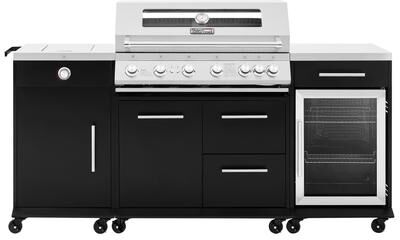
Royal Gourmet Outdoor Kitchen Gas Grill with Versatile Side Burner and Refrigerator, Backyard CookingProduct Features: 1. Powerful 96,000 BTU Cooking System: Six main burners deliver 12,000 BTU each, while a 12,000 BTU infrared rear burner and ...2099,99 $*Shipping: 0,00 $Secure redirect to the provider
-
What is the French passé composé?
The French passé composé is a compound past tense used to talk about completed actions in the past. It is formed with the auxiliary verb "avoir" or "être" in the present tense, followed by the past participle of the main verb. The choice between "avoir" and "être" as the auxiliary verb depends on the main verb and whether it is transitive or intransitive. The passé composé is commonly used in spoken and written French to describe specific actions that occurred at a definite point in the past. **
-
Can you correct the passé composé?
Yes, the passé composé can be corrected by adjusting the auxiliary verb and the past participle to match the subject and the tense of the sentence. For example, in the sentence "Hier, je a mangé une pomme" the correct form would be "Hier, j'ai mangé une pomme" where "j'ai" is the correct form of the auxiliary verb "avoir" for the subject "je" and "mangé" is the correct past participle of the verb "manger." Making these adjustments ensures that the passé composé is used correctly in the sentence. **
-
How is the passé composé formed?
The passé composé is formed by using the present tense of the auxiliary verb "avoir" or "être" followed by the past participle of the main verb. The choice between "avoir" and "être" as the auxiliary verb depends on the main verb and whether it is transitive or intransitive. For example, with the verb "parler" (to speak), we would use "avoir" as the auxiliary verb: "J'ai parlé" (I spoke). However, with the verb "arriver" (to arrive), we would use "être" as the auxiliary verb: "Je suis arrivé" (I arrived). **
-
How do you conjugate the Passé Composé?
To conjugate the Passé Composé in French, you typically use the auxiliary verb "avoir" or "être" followed by the past participle of the main verb. The choice between "avoir" and "être" depends on the verb being used and whether it is a transitive or intransitive verb. The past participle of regular -er verbs is formed by replacing the -er ending with -é, for -ir verbs you replace the -ir ending with -i, and for -re verbs you replace the -re ending with -u. Irregular verbs have unique past participle forms that need to be memorized. **
* All prices are inclusive of VAT and, if applicable, plus shipping costs. The offer information is based on the details provided by the respective shop and is updated through automated processes. Real-time updates do not occur, so deviations can occur in individual cases. ** Note: Parts of this content were created by AI.