Buy olivie.eu ?
We are moving the project
olivie.eu .
Are you interested in purchasing the domain
olivie.eu ?
domain@kv-gmbh.de · 0541-91531010
Buy olivie.eu ?
Can feeding cold mash to horses cause colic?
Feeding cold mash to horses is not likely to cause colic on its own. However, sudden changes in diet or feeding practices can lead to digestive upset in horses, which may result in colic. It's important to introduce any new feed or changes in feeding routine gradually to allow the horse's digestive system to adjust. Additionally, ensuring that the mash is free from any contaminants or spoilage is important to prevent digestive issues in horses. **
What is Anti-Spy Tempered Glass?
Anti-Spy Tempered Glass is a type of screen protector that is designed to protect your device's screen from scratches, cracks, and smudges, while also providing privacy protection. It features a special privacy filter that limits the viewing angle of the screen, making it difficult for others to see the contents of your screen from the side. This is especially useful for protecting sensitive information and maintaining privacy in public spaces. Additionally, the tempered glass material provides extra durability and impact resistance compared to regular screen protectors. **

Similar search terms for Baboo-Anti-colic-Glass-Feeding
Top-Angebote
Products related to Baboo-Anti-colic-Glass-Feeding:
-
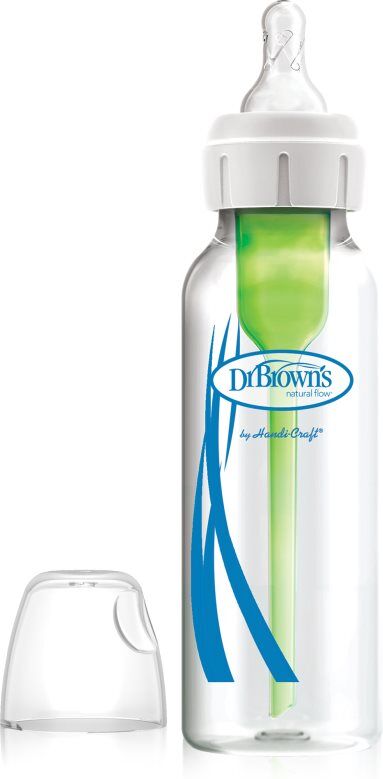
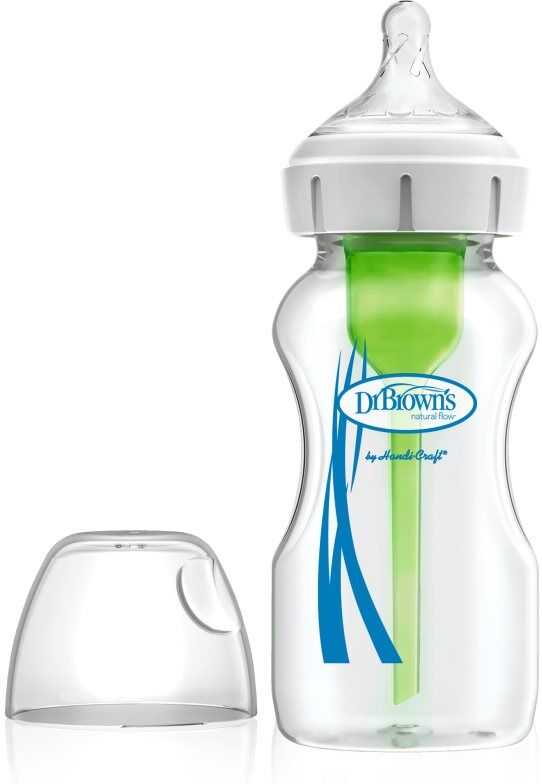
Dr. Brown's Options+ Wide-Neck glass anti-colic bottle 1 pcDr. Brown's Options+ Wide-Neck, 1 pc, Kids’ bottles For Kids, When you’re unable to breastfeed your baby, you can always rely on the Dr. Brown's Options+ Wide-Neck baby bottle. Its teat has a special shape to offer a feeling of comfort, which is so vital for a basic need such as feeding. Characteristics: silicone teat does not use air helps reduce the occurrence of colic promotes the correct coordination of sucking, swallowing and breathing10,80 £*Shipping: 3,99 £Secure redirect to the provider
-
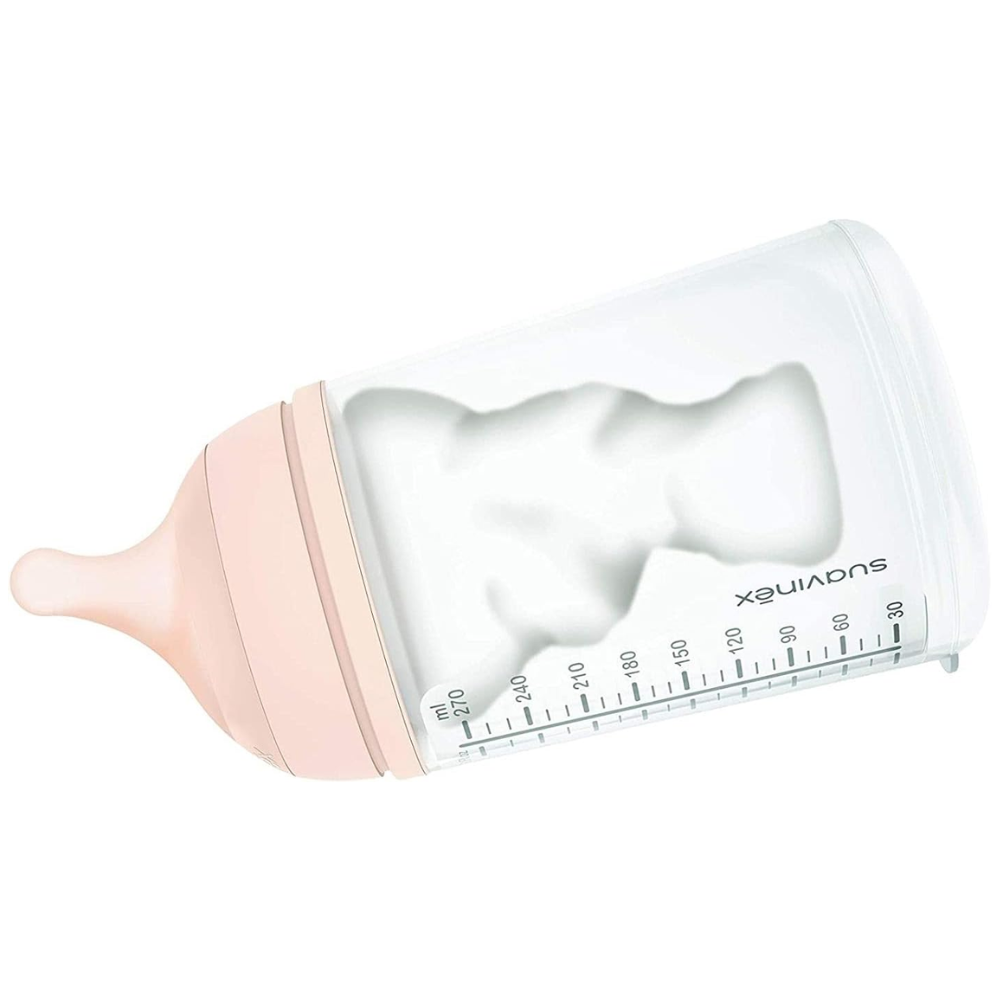
Suavinéx Zero Zero Baby Bottle Anti-Colic with Silicone Teat 180mL Medium S: Slow FlowA skin-care product. Breast-like design: Ultra-soft silicone teat replicates the shape, texture, and length of a mother’s nipple. Anti-colic innovation: Built-in bag system eliminates air bubbles, reducing gas and colic discomfort. Tailored flow options: Choose from three teat flows to match your baby’s feeding needs.11,33 £*Shipping: 5,22 £Secure redirect to the provider
-
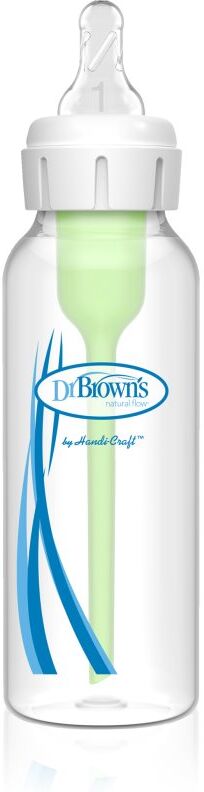
Dr. Brown's Options+ Narrow Anti-colic anti-colic bottle 1 pcDr. Brown's Options+ Narrow Anti-colic, 1 pc, Kids’ bottles For Kids, When you’re unable to breastfeed your baby, you can always rely on the Dr. Brown's Options+ Narrow Anti-colic baby bottle. Its teat as well as the bottle itself have a special shape to offer a feeling of comfort, which is so vital for a basic need such as feeding. Characteristics: silicone teat promotes calm and relaxed drinking helps reduce the occurrence of colic10,40 £*Shipping: 3,99 £Secure redirect to the provider
-
Dr. Brown's Options+ Wide-Neck glass anti-colic bottle 1 pcDr. Brown's Options+ Wide-Neck, 1 pc, Kids’ bottles For Kids, When you’re unable to breastfeed your baby, you can always rely on the Dr. Brown's Options+ Wide-Neck baby bottle. Its teat has a special shape to offer a feeling of comfort, which is so vital for a basic need such as feeding. Characteristics: silicone teat does not use air helps reduce the occurrence of colic promotes the correct coordination of sucking, swallowing and breathing13,00 £*Shipping: 3,99 £Secure redirect to the provider

-
Which mash for colic?
There are several different types of mashes that can be used for colic in horses. Some common options include bran mashes, beet pulp mashes, and rice bran mashes. Each of these can help to soothe the digestive system and provide extra hydration and nutrition to a horse experiencing colic. It is important to consult with a veterinarian to determine the best type of mash for an individual horse's specific needs. **
-
What is rabbit colic?
Rabbit colic is a condition that occurs when a rabbit's digestive system becomes blocked or disrupted, leading to severe abdominal pain. This can be caused by various factors such as a diet high in carbohydrates, stress, dehydration, or a lack of fiber. Symptoms of rabbit colic include restlessness, teeth grinding, hunched posture, and decreased or no appetite. It is important to seek veterinary care promptly if you suspect your rabbit is experiencing colic, as it can be a life-threatening condition if left untreated. **
-
Can goats get colic?
Yes, goats can get colic. Colic in goats is often caused by digestive issues such as gas, bloating, or impaction. It can also be caused by eating toxic plants or ingesting foreign objects. Symptoms of colic in goats may include restlessness, teeth grinding, kicking at the belly, and decreased or absent appetite. It is important to monitor goats for signs of colic and seek veterinary care if necessary. **
-
Why did she get colic?
Colic in infants is a common condition characterized by excessive crying and fussiness. The exact cause of colic is not fully understood, but it is believed to be due to a combination of factors such as immature digestive system, gas, and sensitivity to certain foods. It is not typically caused by something the mother did or did not do, but rather a natural occurrence in some babies. It usually resolves on its own by the time the baby is around 4-6 months old. **


What is colic in horses?
Colic in horses refers to abdominal pain that can have various causes, such as gas, impaction, or twisted intestines. Symptoms of colic can include restlessness, pawing at the ground, rolling, and sweating. It is a serious condition that requires immediate veterinary attention as it can be life-threatening if not treated promptly. Treatment for colic may involve pain management, fluid therapy, and sometimes surgery. **
What are the symptoms of colic in horses? How can colic in horses be treated?
Colic in horses can present with symptoms such as restlessness, pawing at the ground, rolling, sweating, and a lack of appetite. Other signs may include elevated heart rate, increased respiratory rate, and signs of discomfort such as kicking at the abdomen. Treatment for colic in horses may involve pain management, such as administering nonsteroidal anti-inflammatory drugs, and addressing any underlying causes, such as impaction or gas accumulation, through methods like nasogastric intubation or surgery. It is important to seek veterinary care promptly if colic is suspected, as it can be a life-threatening condition for horses. **
Top-Angebote
Products related to Baboo-Anti-colic-Glass-Feeding:
-
Dr. Brown's Options+ Anti-colic glass anti-colic bottle 1 pcDr. Brown's Options+ Anti-colic, 1 pc, Kids’ bottles For Kids, When you’re unable to breastfeed your baby, you can always rely on the Dr. Brown's Options+ Anti-colic baby bottle. Its teat as well as the bottle itself have a special shape to offer a feeling of comfort, which is so vital for a basic need such as feeding. Characteristics: silicone teat helps reduce the occurrence of colic timeless and elegant design11,70 £*Shipping: 3,99 £Secure redirect to the provider
-
Dr. Brown's Options+ Narrow Anti-colic anti-colic bottle 1 pcDr. Brown's Options+ Narrow Anti-colic, 1 pc, Kids’ bottles For Kids, When you’re unable to breastfeed your baby, you can always rely on the Dr. Brown's Options+ Narrow Anti-colic baby bottle. Its teat as well as the bottle itself have a special shape to offer a feeling of comfort, which is so vital for a basic need such as feeding. Characteristics: silicone teat promotes calm and relaxed drinking helps reduce the occurrence of colic7,80 £*Shipping: 3,99 £Secure redirect to the provider
-
Dr. Brown's Options+ Wide-Neck glass anti-colic bottle 1 pcDr. Brown's Options+ Wide-Neck, 1 pc, Kids’ bottles For Kids, When you’re unable to breastfeed your baby, you can always rely on the Dr. Brown's Options+ Wide-Neck baby bottle. Its teat has a special shape to offer a feeling of comfort, which is so vital for a basic need such as feeding. Characteristics: silicone teat does not use air helps reduce the occurrence of colic promotes the correct coordination of sucking, swallowing and breathing10,80 £*Shipping: 3,99 £Secure redirect to the provider
-
Suavinéx Zero Zero Baby Bottle Anti-Colic with Silicone Teat 180mL Medium S: Slow FlowA skin-care product. Breast-like design: Ultra-soft silicone teat replicates the shape, texture, and length of a mother’s nipple. Anti-colic innovation: Built-in bag system eliminates air bubbles, reducing gas and colic discomfort. Tailored flow options: Choose from three teat flows to match your baby’s feeding needs.11,33 £*Shipping: 5,22 £Secure redirect to the provider
-
Can feeding cold mash to horses cause colic?
Feeding cold mash to horses is not likely to cause colic on its own. However, sudden changes in diet or feeding practices can lead to digestive upset in horses, which may result in colic. It's important to introduce any new feed or changes in feeding routine gradually to allow the horse's digestive system to adjust. Additionally, ensuring that the mash is free from any contaminants or spoilage is important to prevent digestive issues in horses. **
-
What is Anti-Spy Tempered Glass?
Anti-Spy Tempered Glass is a type of screen protector that is designed to protect your device's screen from scratches, cracks, and smudges, while also providing privacy protection. It features a special privacy filter that limits the viewing angle of the screen, making it difficult for others to see the contents of your screen from the side. This is especially useful for protecting sensitive information and maintaining privacy in public spaces. Additionally, the tempered glass material provides extra durability and impact resistance compared to regular screen protectors. **
-
Which mash for colic?
There are several different types of mashes that can be used for colic in horses. Some common options include bran mashes, beet pulp mashes, and rice bran mashes. Each of these can help to soothe the digestive system and provide extra hydration and nutrition to a horse experiencing colic. It is important to consult with a veterinarian to determine the best type of mash for an individual horse's specific needs. **
-
What is rabbit colic?
Rabbit colic is a condition that occurs when a rabbit's digestive system becomes blocked or disrupted, leading to severe abdominal pain. This can be caused by various factors such as a diet high in carbohydrates, stress, dehydration, or a lack of fiber. Symptoms of rabbit colic include restlessness, teeth grinding, hunched posture, and decreased or no appetite. It is important to seek veterinary care promptly if you suspect your rabbit is experiencing colic, as it can be a life-threatening condition if left untreated. **
Similar search terms for Baboo-Anti-colic-Glass-Feeding
-
Dr. Brown's Options+ Narrow Anti-colic anti-colic bottle 1 pcDr. Brown's Options+ Narrow Anti-colic, 1 pc, Kids’ bottles For Kids, When you’re unable to breastfeed your baby, you can always rely on the Dr. Brown's Options+ Narrow Anti-colic baby bottle. Its teat as well as the bottle itself have a special shape to offer a feeling of comfort, which is so vital for a basic need such as feeding. Characteristics: silicone teat promotes calm and relaxed drinking helps reduce the occurrence of colic10,40 £*Shipping: 3,99 £Secure redirect to the provider
-
Dr. Brown's Options+ Wide-Neck glass anti-colic bottle 1 pcDr. Brown's Options+ Wide-Neck, 1 pc, Kids’ bottles For Kids, When you’re unable to breastfeed your baby, you can always rely on the Dr. Brown's Options+ Wide-Neck baby bottle. Its teat has a special shape to offer a feeling of comfort, which is so vital for a basic need such as feeding. Characteristics: silicone teat does not use air helps reduce the occurrence of colic promotes the correct coordination of sucking, swallowing and breathing13,00 £*Shipping: 3,99 £Secure redirect to the provider
-
Suavinéx Zero Zero Baby Bottle Anti-Colic with Silicone Teat 180mL Deep M: Medium FlowA skin-care product. Breast-like design: Ultra-soft silicone teat replicates the shape, texture, and length of a mother’s nipple. Anti-colic innovation: Built-in bag system eliminates air bubbles, reducing gas and colic discomfort. Tailored flow options: Choose from three teat flows to match your baby’s feeding needs.11,33 £*Shipping: 5,22 £Secure redirect to the provider
-
Suavinéx Zero Zero Baby Bottle Anti-Colic with Silicone Teat 180mL Medium A: Adaptive FlowA skin-care product. Breast-like design: Ultra-soft silicone teat replicates the shape, texture, and length of a mother’s nipple. Anti-colic innovation: Built-in bag system eliminates air bubbles, reducing gas and colic discomfort. Tailored flow options: Choose from three teat flows to match your baby’s feeding needs.11,33 £*Shipping: 5,22 £Secure redirect to the provider
-
Can goats get colic?
Yes, goats can get colic. Colic in goats is often caused by digestive issues such as gas, bloating, or impaction. It can also be caused by eating toxic plants or ingesting foreign objects. Symptoms of colic in goats may include restlessness, teeth grinding, kicking at the belly, and decreased or absent appetite. It is important to monitor goats for signs of colic and seek veterinary care if necessary. **
-
Why did she get colic?
Colic in infants is a common condition characterized by excessive crying and fussiness. The exact cause of colic is not fully understood, but it is believed to be due to a combination of factors such as immature digestive system, gas, and sensitivity to certain foods. It is not typically caused by something the mother did or did not do, but rather a natural occurrence in some babies. It usually resolves on its own by the time the baby is around 4-6 months old. **
-
What is colic in horses?
Colic in horses refers to abdominal pain that can have various causes, such as gas, impaction, or twisted intestines. Symptoms of colic can include restlessness, pawing at the ground, rolling, and sweating. It is a serious condition that requires immediate veterinary attention as it can be life-threatening if not treated promptly. Treatment for colic may involve pain management, fluid therapy, and sometimes surgery. **
-
What are the symptoms of colic in horses? How can colic in horses be treated?
Colic in horses can present with symptoms such as restlessness, pawing at the ground, rolling, sweating, and a lack of appetite. Other signs may include elevated heart rate, increased respiratory rate, and signs of discomfort such as kicking at the abdomen. Treatment for colic in horses may involve pain management, such as administering nonsteroidal anti-inflammatory drugs, and addressing any underlying causes, such as impaction or gas accumulation, through methods like nasogastric intubation or surgery. It is important to seek veterinary care promptly if colic is suspected, as it can be a life-threatening condition for horses. **
* All prices are inclusive of VAT and, if applicable, plus shipping costs. The offer information is based on the details provided by the respective shop and is updated through automated processes. Real-time updates do not occur, so deviations can occur in individual cases. ** Note: Parts of this content were created by AI.